How to create a successful campaign
Building a product is easier than ever. Getting people to use it is not. Here is the playbook behind our first campaign, step by step, so you can reuse it.
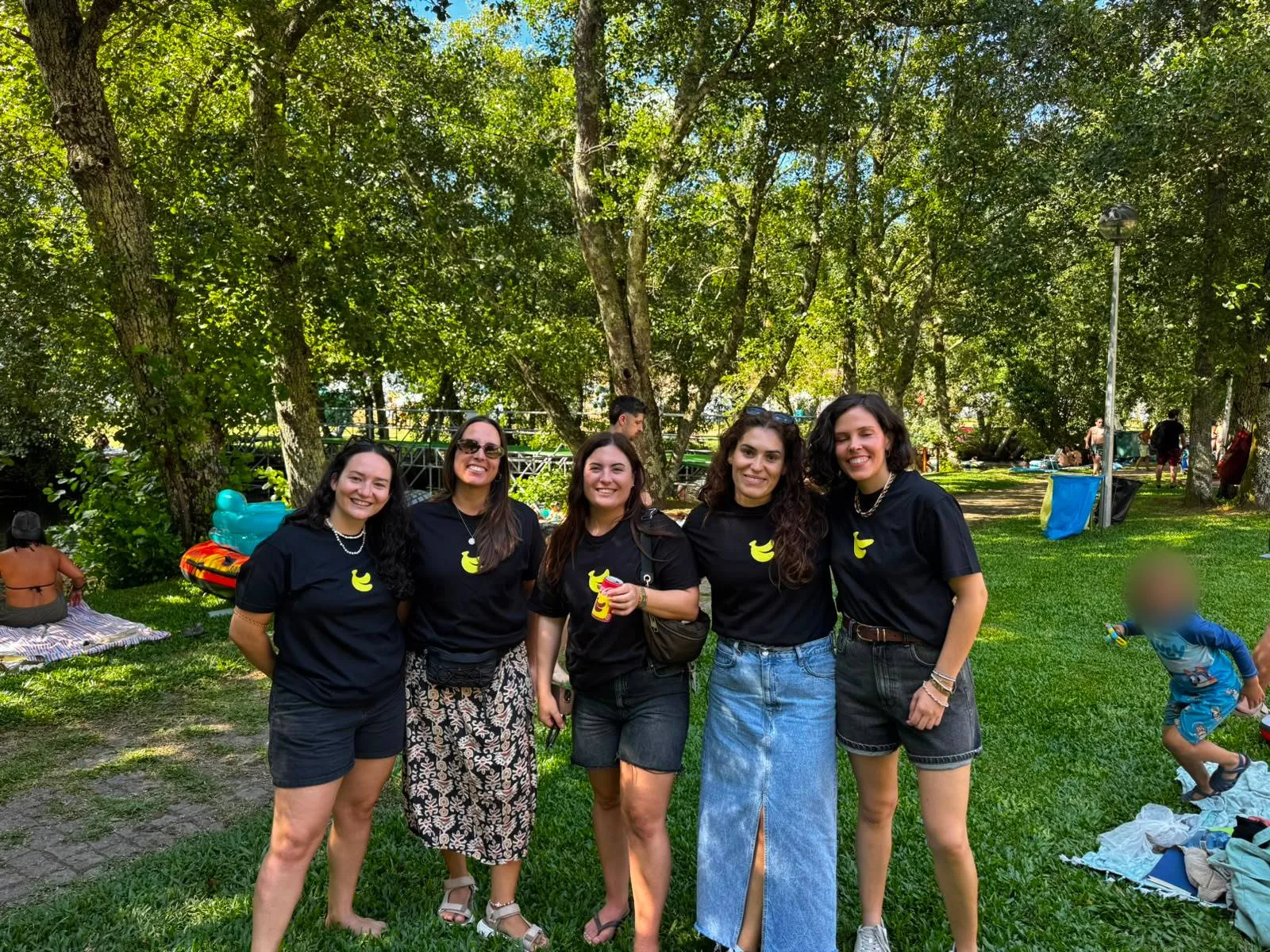
Building a product has never been more accessible. Getting people to use it has never been harder. Distribution is now the hard part.
You shipped a solid product, you fixed every rough edge, and SEO still isn't bringing anyone through the door? You are not alone, and this post is for you.
In August, we ran BananaSplit's first campaign at the Festival Paredes de Coura. In two days, it brought us:
- 300+ new users
- 200+ new followers
- 400+ people who started seeing us in a different light
Here is the playbook behind it, step by step, so you can adapt it to your own product.
1. Learn from your first users
Your early users are the first to tell you whether your product works for them. Watch how they use it, talk to them, and pay attention to what they actually do with it.
We talked to friends about BananaSplit all the time: how they used it and which features they were missing. At the start of the summer, a pattern emerged. Many of them were creating groups for festivals, and even inviting other friends to use it there.
That is when it clicked. At a festival, people share transport, accommodation, and food with their friends. They are young. And the atmosphere is festive, which fits our brand. For an expense-splitting app, it is the ideal setting.
Look for the moment your product is needed most, not just the people who need it. That moment tells you where to go.
2. Go where you can meet them in person
Knowing your audience is one thing. Knowing where to find them is another. There are more than 300 festivals in Portugal alone. How do you pick the right one?
Put yourself in your audience's shoes and ask:
- Where do they already gather?
- Can you talk to them face to face?
- How many of them can you reach at once?
- Are they in the mood to try something new?
If you don't have enough information to answer with certainty, trust your gut. What matters most is meeting your audience in person. People value people, and your product means more to them once it has a face.
For us, Festival Paredes de Coura ticked every box.
The crowd is huge and young, and many people there are splitting food and drinks, so they might be open to trying an expense-splitting app.
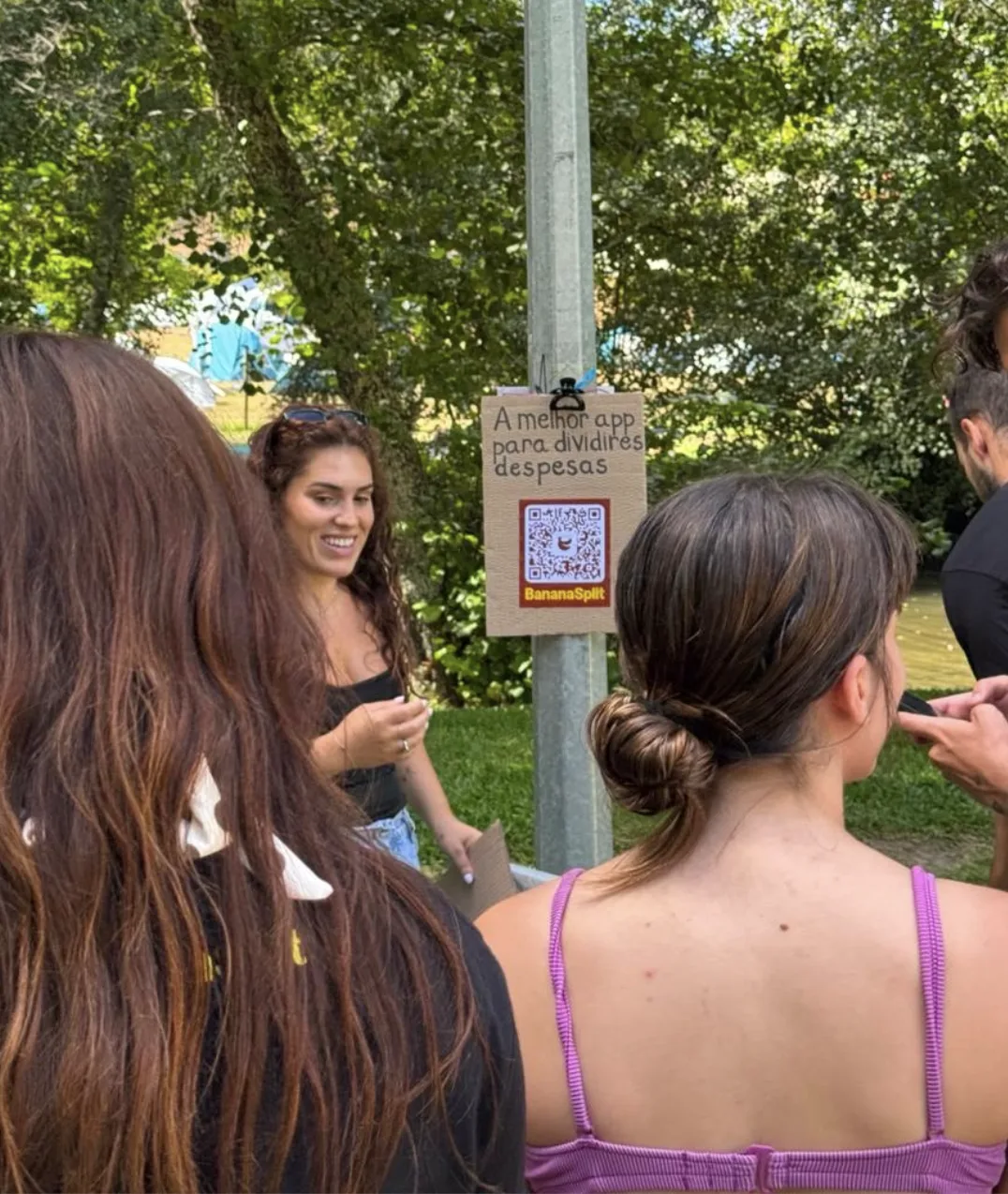
3. Decide what success looks like
Before you plan the execution, decide what a win is. Success can mean paying users, sign-ups, active users, testimonials and reviews, or simply followers. It can be a mix. It just has to bring real value to your product.
Pick the one conversion that matters most for this campaign, then set a target for it. Make it a stretch, but not impossible. Our main goal was active users: ideally, around 10% of the people who signed up.
Your target also tells you how much you can spend. Cost per acquisition is one of the most important numbers in any campaign. The dream is spending €0 and still gaining users, so always aim to spend less and convert more. But the more each conversion is worth to you, the more room you have to spend on getting it.
4. Give before you ask
We knew approaching people empty-handed would not work. We considered partnering with restaurants and bars, but could not see how that would turn into sign-ups. Then we landed on drinks: something people actually want at a festival.
Before you ask for something, offer something. It can be an item, a subscription, or your own product. Then check that the trade is fair:
- Keep the ask small. The fewer steps people need to take, the better.
- Make the offer worth more than the effort. If it isn't, people will walk past.
- Balance the two. The simpler the ask, the less you need to offer, and the other way around.
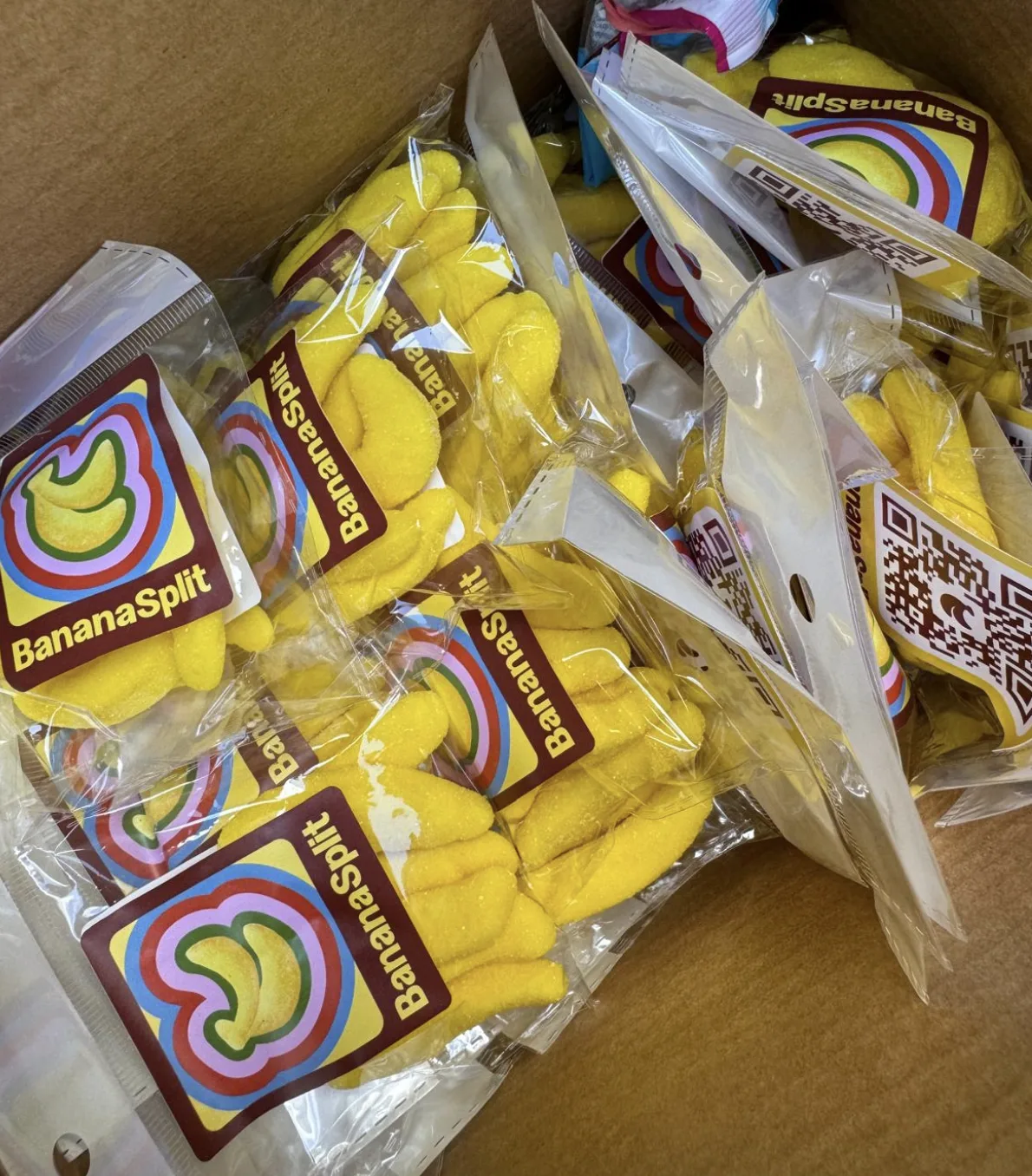
Our deal: download BananaSplit and create an account, and get a drink (beer, cola, or water). We also asked people to support us on social media, and asking for support worked much better than asking for a follow. A surprise bag of banana gummies made the offer even sweeter, especially for the younger crowd.
5. Expect the plan to fail
We analyzed how people use BananaSplit, designed the campaign, estimated how many beers, colas, and bottles of water we would hand out, hunted for the best prices, and headed into the field.
It still did not go as planned. The good news: turnout was much higher than we expected. The bad news: we had set up on private grounds and were asked to leave.
On the second day, we knew the area better and everything flowed. We ran through all our stock. Not a single beer was left.
Two lessons we would pass on:
- Scout the location. Know who owns the ground you are standing on, and have a plan B nearby.
- Bring more than you think you need. If we had brought more drinks, we would have handed out more.
Want the full story? Read about our first marketing campaign.
6. Measure the results, then follow up
Against our goal, the campaign was a clear success: the share of active users was more than double our 10% target. Many people supported us simply because we are a small, local team; others because they loved the product and what makes it different.
Some returns will never show up in a spreadsheet, though. Being there in person makes people feel closer to your brand and more willing to support you. And the ripple effects of a campaign are hard to measure. Believe in the compounding effect: your best return may show up a year from now. A user you meet today can become a paying customer later, if you manage to keep them.
A campaign also does not end when you pack up. Ours was a success and still far from perfect, so look honestly at what went well and what went wrong before the next one. And make sure you have a way to reach the people who joined, so you can bring them back when the timing is right. Even if a campaign does not pay off right away, it still can later.
Your campaign checklist
Save this for the next time you head out.
Before
- Find the moment your product is needed most by watching your early users.
- Pick a place where many of those people gather, and where you are allowed to be.
- Decide what success means and set a target you can measure.
- Design an offer worth more than your ask, and keep the ask simple.
On the day
- Talk to people, and listen to what they say about your product.
- Ask for support, not just a follow.
- Be ready to move if the spot is not working.
After
- Compare the results with your target.
- Write down what worked and what didn't.
- Keep a way to reach people again.
Don't be afraid to fail
Our first campaign was handmade and could never scale, and that was the point: we spent two days talking to people and hearing what they thought of BananaSplit. Not every campaign will be an instant success, but it can still become one in the long run.
Since Festival Paredes de Coura, we have taken BananaSplit to Vilar de Mouros, Indie Music Fest, and Universidade do Minho. Each one taught us something new.